Planning Site Services for a Construction Project
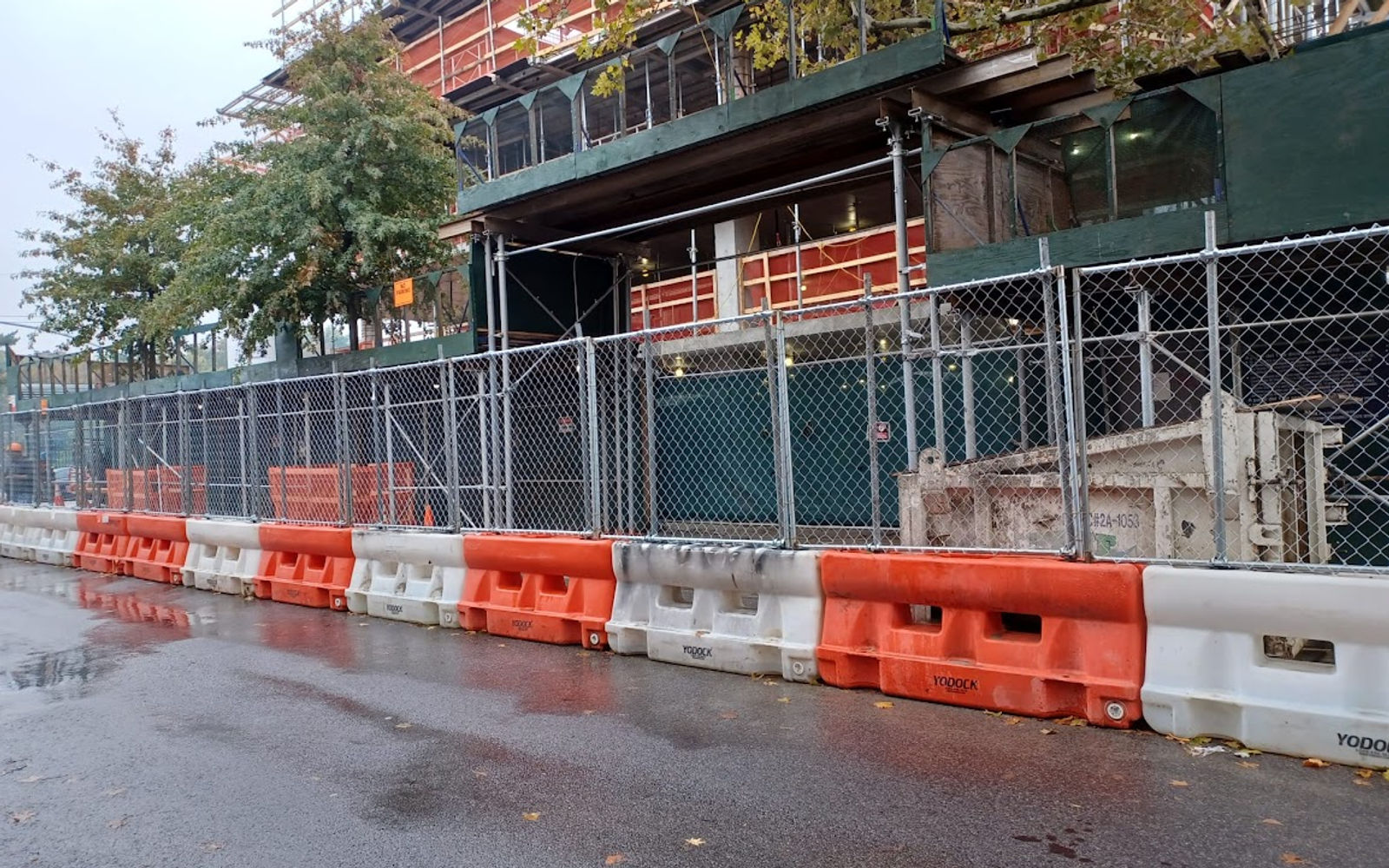
Site services are rarely the most exciting line in a project budget, but they touch every day of the job. When the porta potty is overflowing, the dumpster is full and the fence is down, crews lose time and the site looks bad to owners and neighbors. When they are planned well, nobody thinks about them at all. This guide walks through how to plan restrooms, dumpsters, fencing, lighting and storage across the life of a construction project.
Step 1: Gather the basics before you call anyone
Before you request quotes, write down:
- The site address and how trucks get in: gates, curb cuts, slopes, soft ground and overhead lines.
- The schedule: mobilization date, major phases and expected completion.
- Crew size at the start and at the peak, including subcontractors.
- The kinds of debris you expect: demolition, framing scraps, drywall, roofing, concrete.
- Any permit, owner or insurer requirements for fencing, signage or sanitation.
- Where power is available on site, if at all.
With that list, one call can cover almost everything.
Step 2: Restrooms and handwashing
Restrooms are the most personal part of site services, and crews notice when they are neglected.
- Size to the crew at peak, not at mobilization. Restroom needs grow as trades stack up.
- Plan regular servicing. Long-term rentals include servicing on a schedule you set when you book.
- Add handwashing stations, especially where crews eat on site.
- Consider an ADA unit where required or where anyone on site needs one.
- On long jobs, or where owners and inspectors visit often, a restroom trailer near the office trailer is a big step up.
Place units on firm, level ground that a service truck can reach, close to where people work, and away from crane swings and delivery lanes. See porta potty rentals and restroom trailers.
Step 3: Dumpsters and debris
Debris volume changes through the job: heavy at demolition, steady during framing and rough-in, bulky during drywall and finishes, then light at closeout.
- Choose a container size for the current phase. Our guide on dumpster sizes explains the options.
- Ask for the weight allowance and overweight terms in writing, especially during demolition and roofing.
- Plan swaps. A full container sitting on site slows everyone down.
- Keep prohibited materials out. Ask for the hauler's list.
- Put the container where a roll-off truck can reach it all job long, not where the building or staged materials will eventually block it.
Step 4: Fence and site security
Fence protects the public and protects your materials. Plan it early because it shapes everything else.
- Sketch the perimeter, then mark vehicle and pedestrian gates first.
- Leave access to hydrants, utilities and neighbors' driveways.
- Add privacy screen where the site faces homes, businesses or busy streets.
- If any fence touches a sidewalk or street, check with the city about approvals.
- Expect the fence to move as phases change.
Read temporary fence and site security basics for more.
Step 5: Lighting and power
Winter days are short, and many jobs start before sunrise or run late.
- Light towers make early and late work safer and help deter theft overnight.
- Generators can power tools, office trailers or a restroom trailer where there is no permanent power yet.
- Tell us what you are powering and we will size a generator with our equipment partner.
- Fuel and refueling terms are listed in your quote.
See light towers and generators.
Step 6: Storage
A lockable container keeps tools and materials safe and saves daily trips. Plan its spot so it stays reachable but does not block the dumpster, gates or future work areas. Common sizes include 20 ft and 40 ft. See storage containers.
Step 7: Build a simple site services map
Put everything on one sketch: fence line, gates, restrooms, handwashing, dumpster, storage container, light towers and the delivery route. Share it with your superintendent and with us. A one-page map prevents most delivery-day problems.
Step 8: Plan for change
No project stays on its original plan. Phases shift, crews grow, a second dumpster is needed for a week, the fence has to move for a crane. The fewer vendors you have to call, the easier those changes are. With one contact, a single call can move a restroom, swap a dumpster and add fence panels.
Step 9: Closeout
As the job winds down:
- Schedule final dumpster pickups after the last cleanup, not before.
- Keep at least one restroom until the last trade leaves.
- Remove fence in the right order so the site stays secure until handover.
- Confirm all pickups so nothing sits on site after the job is done.
A note on long projects
On jobs lasting many months, revisit the site services plan at each major phase. Restroom counts, servicing frequency, dumpster size and fence lines that made sense at mobilization rarely fit the job at peak or at finishes.
Why one invoice helps
Most jobs need four or five rentals. That usually means four or five vendors, schedules and invoices to reconcile. We handle restrooms from our own fleet and arrange dumpsters, fencing, lighting and storage through vetted local partners, all on one invoice per job, or per month on long jobs. You get written quotes and one number for swaps and pickups. Some services are delivered by vetted local partners. You get one point of contact and one invoice from us.
Learn more about construction site services, or get a quote for your next job. Call 615-695-2008, 24/7.